
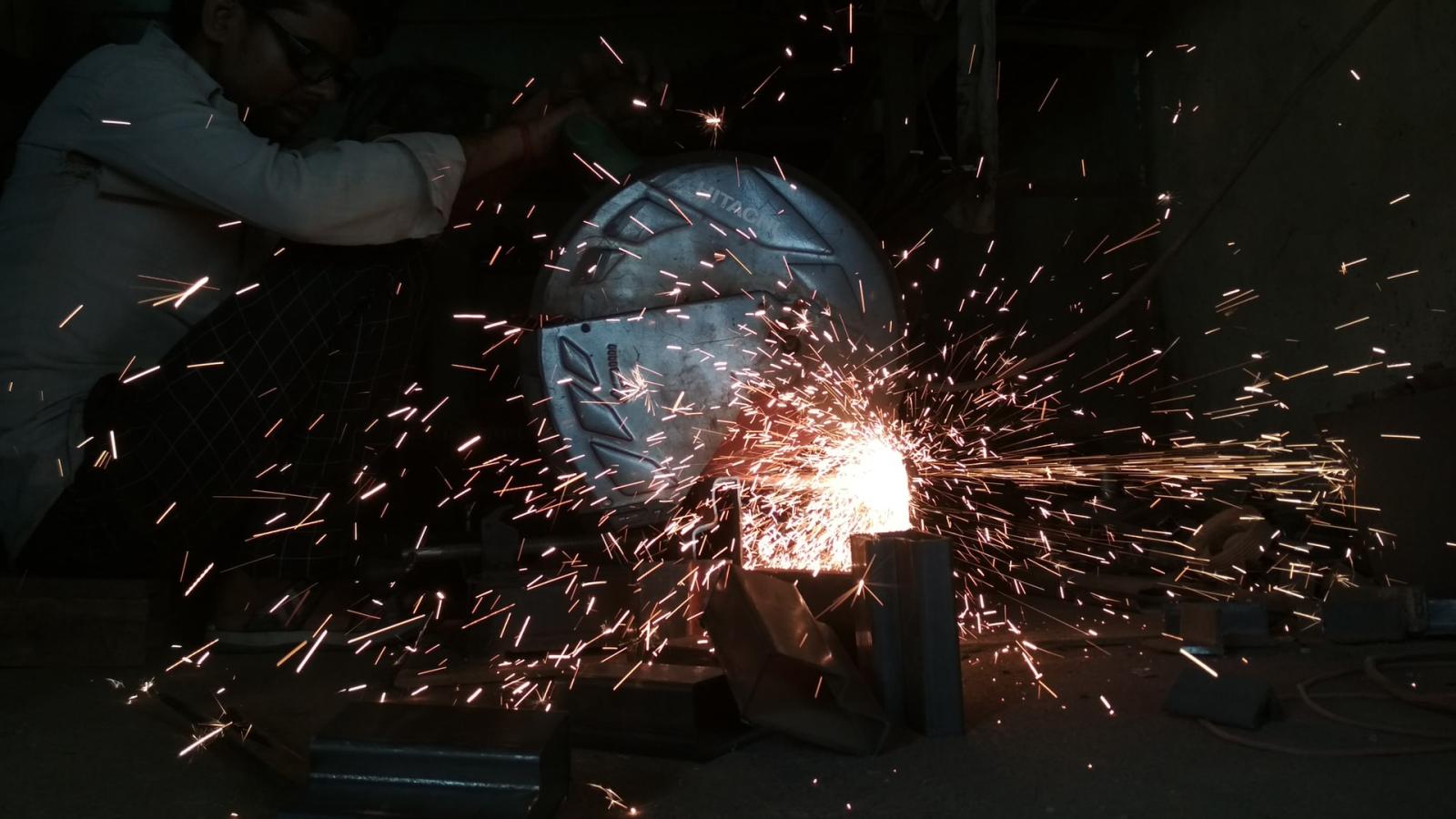
Structural Steel Fabrication
Do you require structural steel fabricators in the Essex and London areas? Here at SCSL, based in Essex, near London, we offer fully equipped structural steel fabricator services to manufacture all quality steelwork types for all projects, and we always fabricate to match our customer's requirements.
Our fabrication facilities allow us to supply up to 100 tonnes of fabricated steel every week. We work meticulously to ensure we manufacture our steel precisely to our customer's needs, and we supply our steel fabrications to any client: domestic, commercial and industrial.
With a wealth of experience in the fabrication of steel, we can help with whatever project you are currently working on. We handle anything from small steel fabrications to large scale structural assemblies, which can be particularly beneficial alongside our on-site planning and construction facilities.
What is Structural Steel Fabrication?
Structural steel fabrication is re-shaping steel to match specific design requirements. This process could make the steel stronger or cut the steel down to a particular and exact measurement.
A specialist must complete this entire process, and there are several different ways the steel can be re-shaped, including:
- Bending
- Cutting
- Shaping
- Assembling
- Strengthening
What are the Types of Steel Structures?
Parallel Flange Channels
These channels are U-shaped like a staple with right-angled corners. The two sides are consistent in length and parallel and offer high strength-to-weight ratios with the same applications as angled sections in structures.
Tapered Flange Beams
These beams come in the shape of an I. You would use these beams as cross-sections for girders, and although they offer good resistance, they come with torsion risks.
Universal Beam
These beams are I or H shaped, depending on the angle from which you view them. Their composition is of structural steel, and any industry may employ them in their buildings and structures.
Universal Column
These columns are similarly shaped and composed of the same material as universal beams. As the name would imply, these beams are used in buildings and structures for columns and can bear immense loads.
Angled Sections
These come in equal and unequal lengths, with their sides being at right angles to one another, forming an L shape. They are powerful, with impressive strength-to-weight ratios. You will find them in many industries, such as transport, infrastructure and residential construction.
Circular Hollow Sections
These appear as hollow cross-sections of a circular tube. They have excellent torsion resistance compared with tapered flange beams. The sides are universally dense throughout, meaning they are great for jobs in buildings and structures with multiple loading axes.
Square Hollow Section
Also known as box sections, they have an appearance similar to the others in the hollow section family. However, their shorter size means they get used in buildings and structures more in posts or columns. They are not suitable for beams, as they are tricky to attach to other shapes.
Rectangular Hollow Sections
As the name suggests, much like the circular hollow sections, these beams look like cross-sections of a hollow squared tube. Any industry may employ these beams, and their level sides make them perfect for joining and fabrication.
Flat Sections
Often known as plates, you may attach these versatile sections to almost any other type of section or beam in your buildings or structures. You can also use them to strengthen different sections or beams during construction.
How do you Fabricate Structural Steel?
Here at SCSL, we use the latest equipment, tools and technology throughout our projects to ensure the finishing product is at a high standard.
The process of structural steel fabrication can be done in many different ways, for example drilling, welding, punching and steel profiling.
To find out more information about these processes, please get in touch with us today.
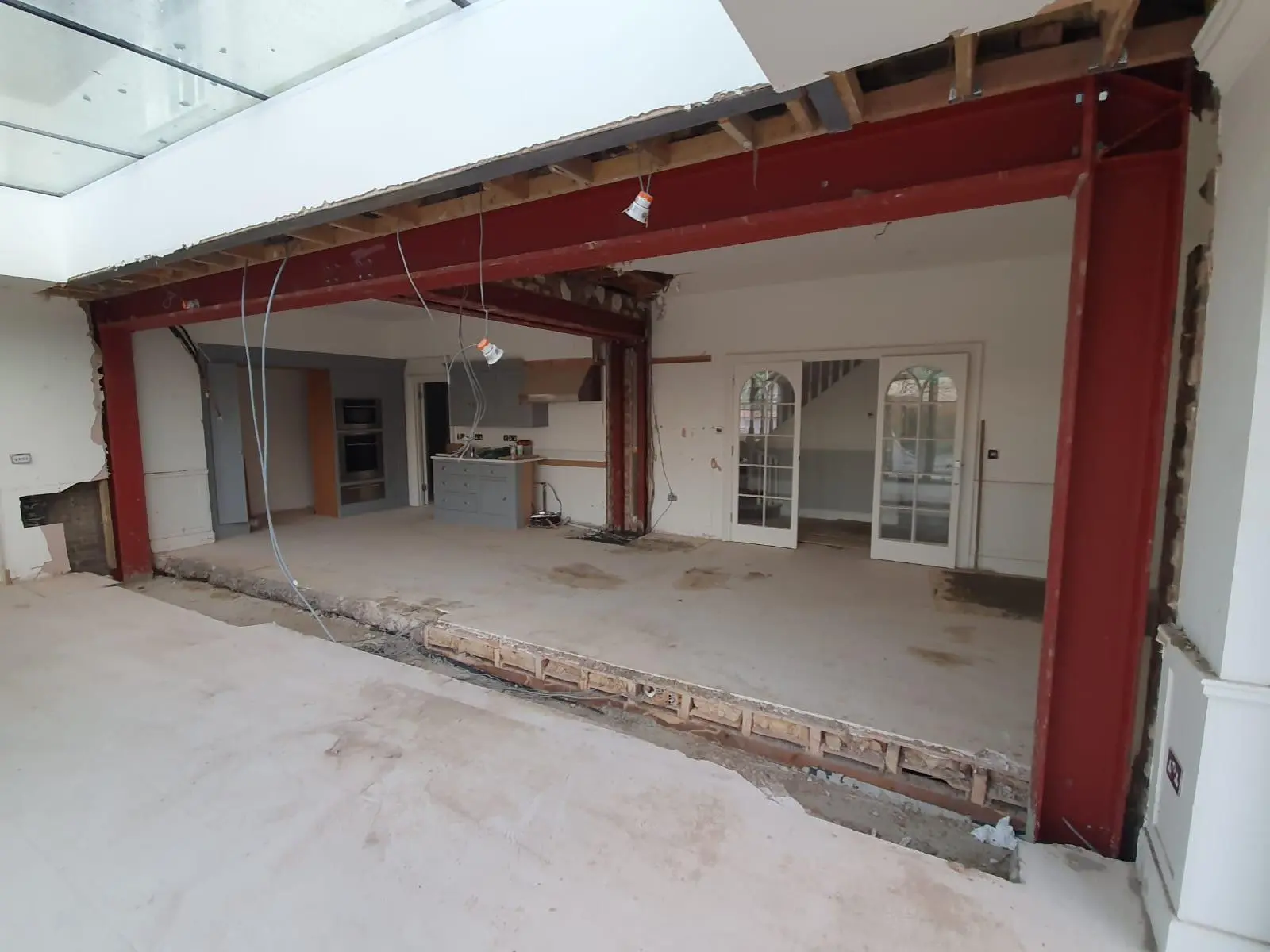
Structural Steel Explained
What is Structural Steel Work?
You use structural steelwork for construction purposes, including I-beams, H-beams and universal beams. Its design allows it to be re-shaped to match specific construction requirements, including measurements and weight, so you can use it for large and heavy buildings and structures, such as bridges, multi-storey car parks, residential buildings, industrial buildings and high-rise buildings.
What is the Purpose of Fabrication?
The purpose of fabrication is to ensure the structural steel used for construction projects will meet the requirements needed to hold the building or structure up and fit in with the other metal pieces. Without fabrication, buildings and structures would be likely to fall, bridges would collapse, and multi-storey car parks would have to be on one level.
What are the Different Types of Structural Steel?
There are many types with individual purposes and uses, and structural steel can be custom designed to match your structure's specifications. The main types include the S-beam, I-beam, H-beam, U-beam (also known as universal beams), angle beam, channel beam, HSS beam, pipe and T-beam.
What does a Structural Steel Fabricator do?
A structural steel fabricator uses equipment, technology and tools to re-shape structural steel to the required specifications. They are highly trained and qualified to use the necessary equipment and ensure the structural steel gets cut to perfection. For more information or a full list of our services, please contact our team today.
More of Our Steel Services
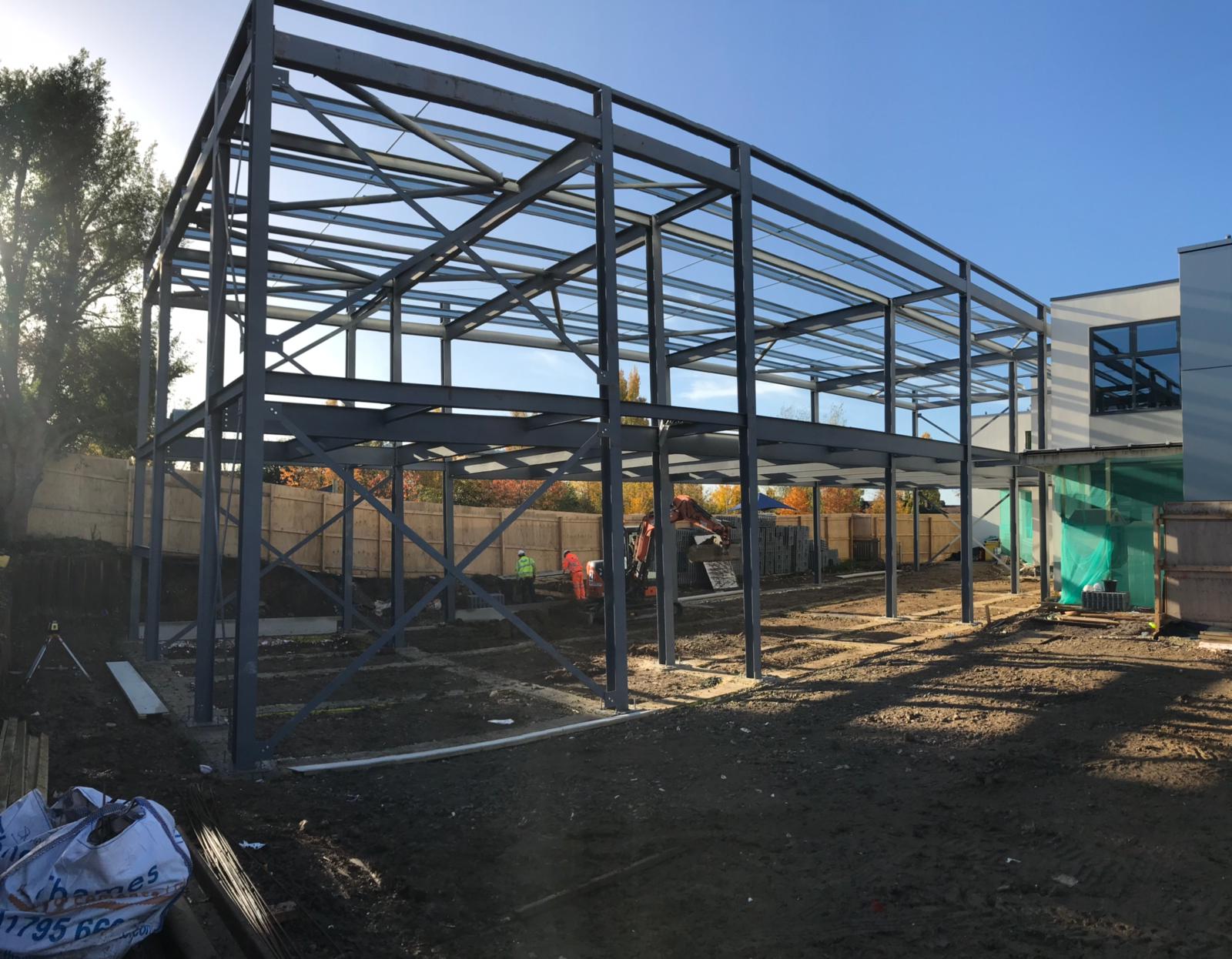
Design
Tekla Structures and CAD design, with detailed plans drawn to your exact specification and worked through with your architect.
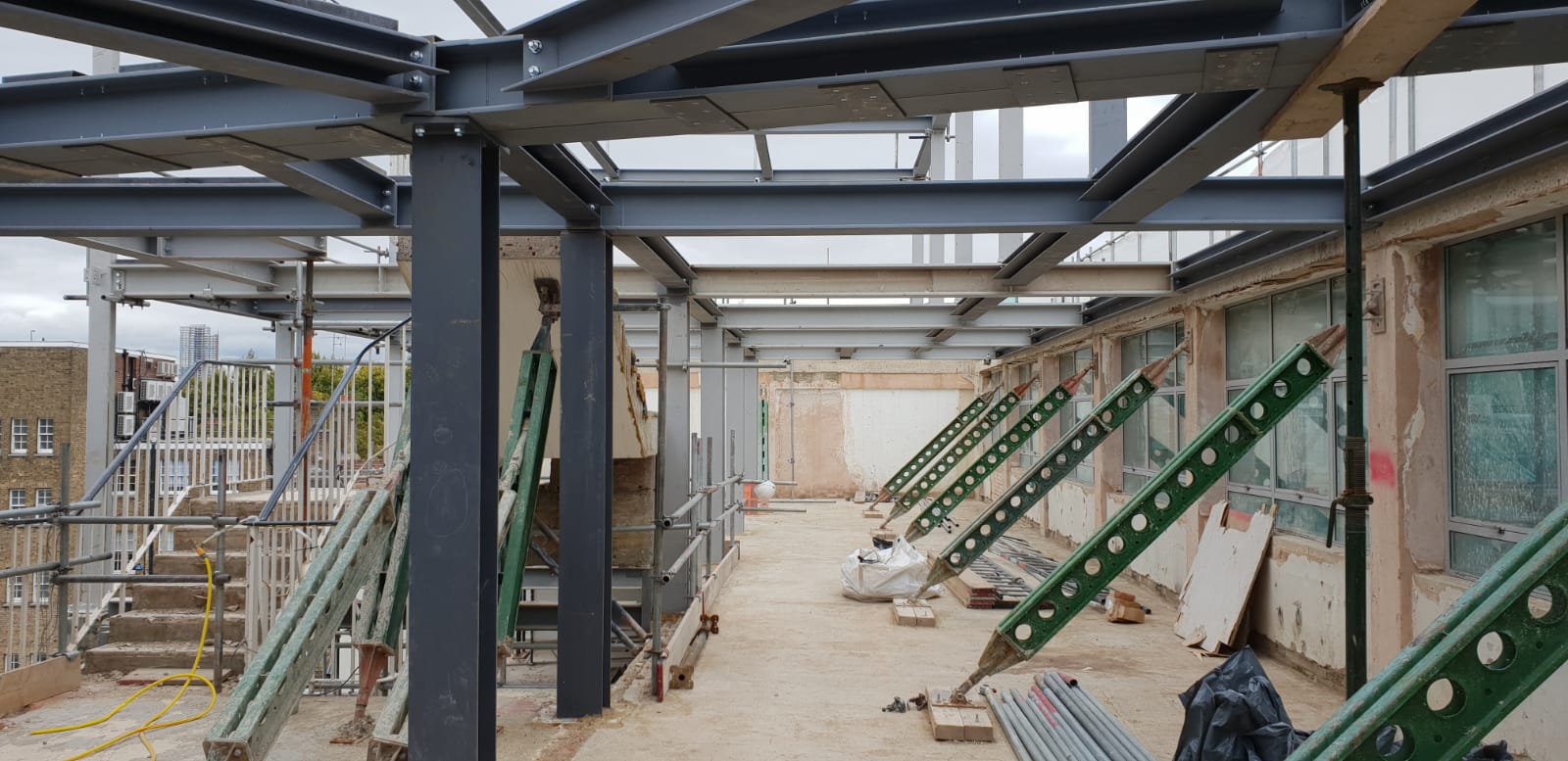
Steel Erection and Installation
Trained, qualified erectors, with our own Appointed Persons, Crane Supervisors and Slingers/Signallers for lift plans and installation.
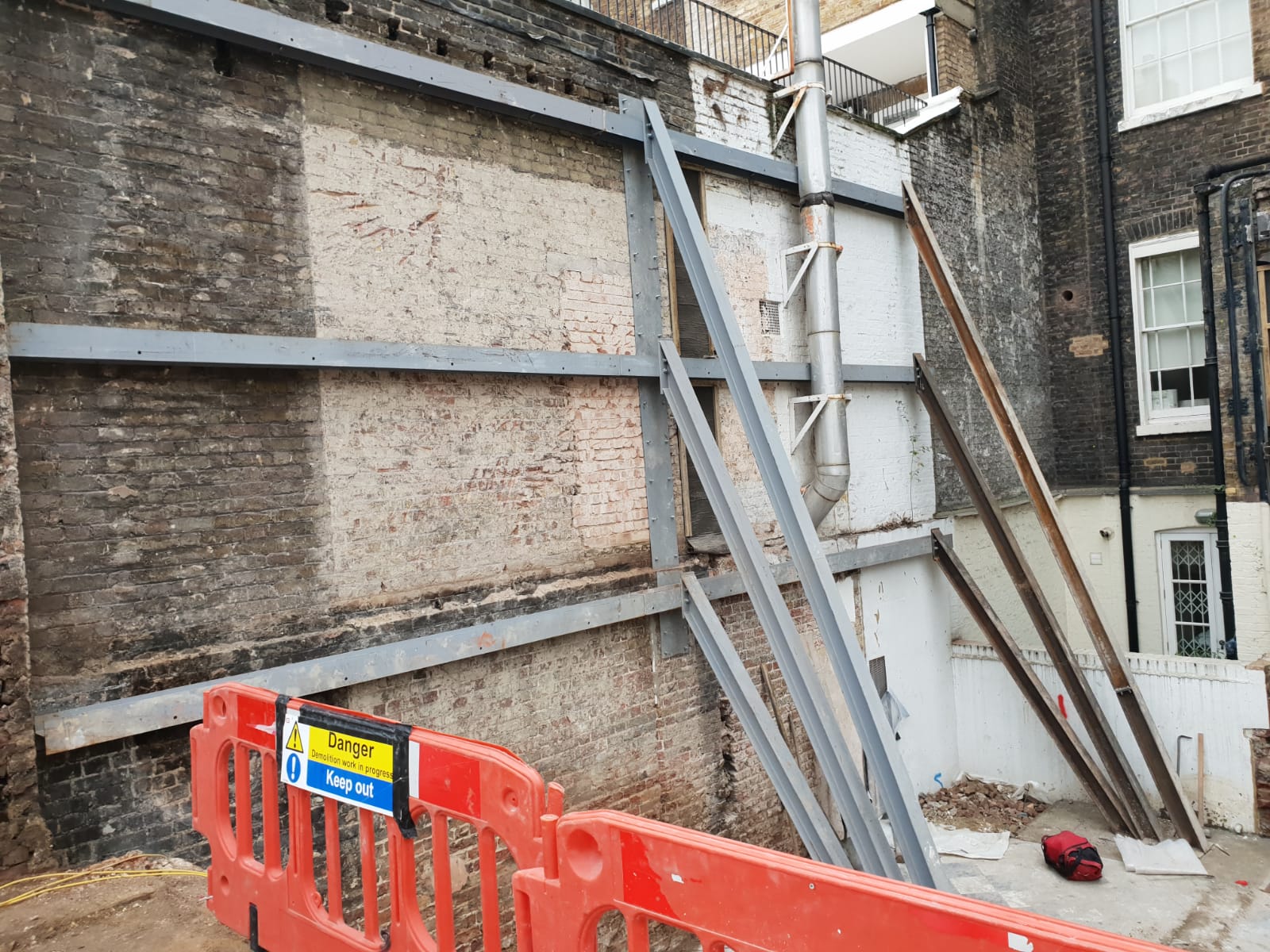
Temporary Works
Facade retention and temporary works, plus fire escapes, metal decking, stairs and facade support steelwork.